
Nutrition and Self-Care Tips for a Fresh Start
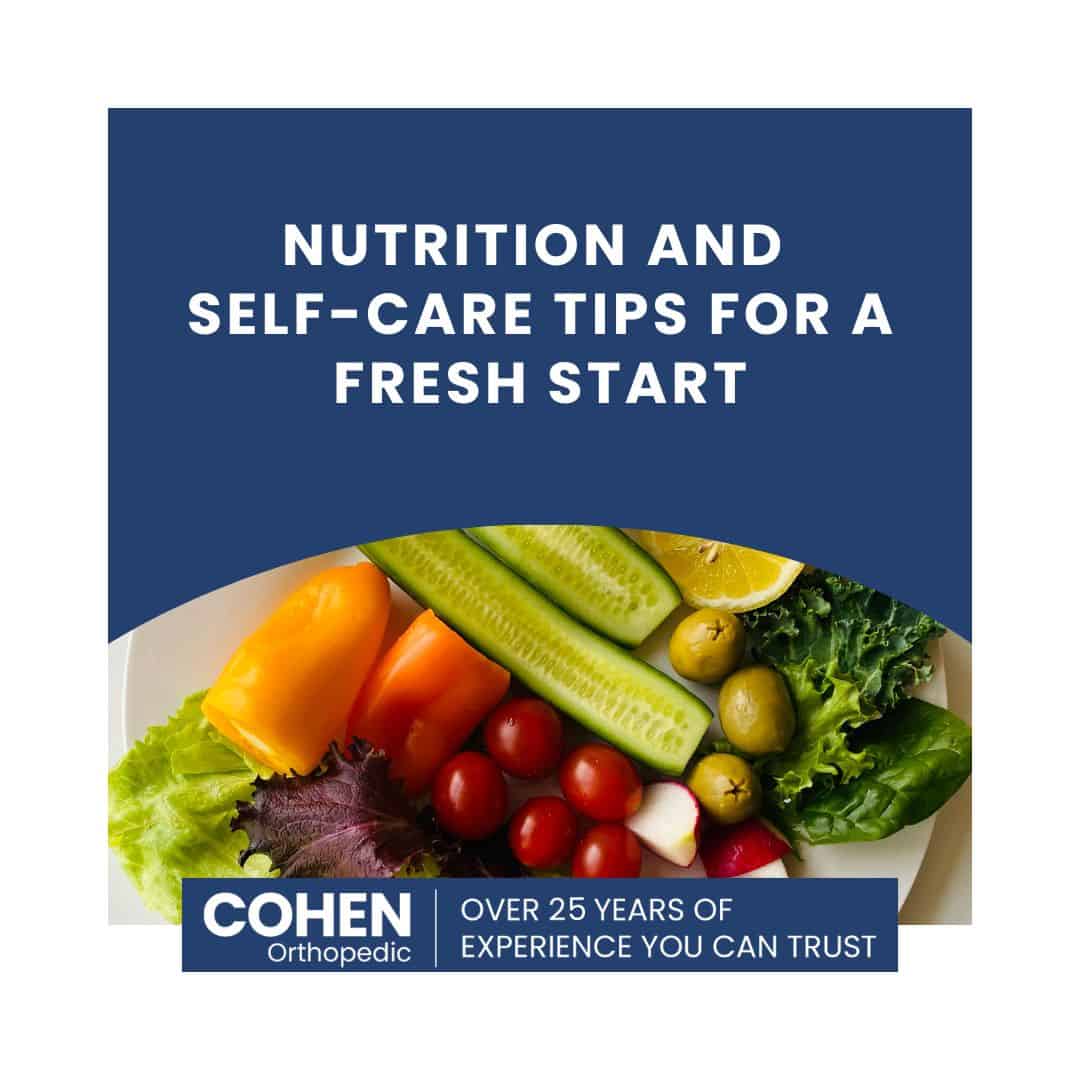
A fresh start doesn’t have to mean a complete reset or an all-or-nothing approach. In healthcare, and especially during recovery or lifestyle changes, lasting improvement comes from simple, supportive habits that work with your body, not against it.
Nutrition and self-care play an important role in how we heal, move, and feel each day. When approached with intention and balance, they can help support energy levels, recovery, and overall well-being.
Start With Nourishment, Not Restriction
Good nutrition isn’t about perfection or strict rules. It’s about giving your body the fuel it needs to function and heal.
Focus on:
- Balanced meals that include protein, healthy fats, and complex carbohydrates
- Lean protein sources to support muscle repair and strength
- Fruits and vegetables for vitamins, minerals, and antioxidants
- Whole foods that provide steady energy throughout the day
Rather than cutting foods out completely, aim to add in foods that support your health. Small, consistent choices can make a meaningful difference over time.
Hydration Supports Healing
Staying well hydrated is one of the simplest, and most overlooked, forms of self-care. Proper hydration supports circulation, joint health, digestion, and overall recovery.
A few practical tips:
- Sip water consistently throughout the day
- Pair hydration with meals and medications
- Increase fluids during activity or physical therapy sessions
Listening to your body’s signals can help you stay on track without overthinking it.
Prioritize Rest and Recovery
Rest is not a luxury, it’s an essential part of healing. Quality sleep allows the body to repair tissue, manage inflammation, and restore energy.
To support better rest:
- Keep a consistent sleep schedule when possible
- Create a calming bedtime routine
- Limit screen time before bed
- Give yourself permission to slow down
Recovery happens during rest, not just during activity.
Gentle Movement Matters
Self-care doesn’t always mean doing less. Appropriate movement, guided by your care team, can support circulation, mobility, and confidence.
This may include:
- Short walks
- Light stretching
- Physical therapy exercises as recommended
The goal isn’t to push through discomfort, but to move in ways that feel safe and supportive for your body.
Manage Stress With Intention
Stress can impact healing, pain levels, and overall well-being. Finding simple ways to manage stress can help support both physical and emotional health.
Consider:
- Deep breathing or mindfulness practices
- Spending time outdoors
- Staying connected with friends or family
- Asking questions and sharing concerns with your care team
Feeling informed and supported can reduce uncertainty and build confidence during recovery.
Self-Care Is Personal
There’s no universal checklist for self-care. What works for one person may not work for another, and that’s okay. The most effective self-care routines are realistic, flexible, and tailored to your individual needs.
Progress comes from consistency, not perfection.
A Fresh Start, One Step at a Time
A fresh start doesn’t require dramatic changes. It begins with small, thoughtful choices that support your body and your goals.
Whether you’re recovering from a procedure, managing ongoing care, or simply looking to feel your best, nutrition and self-care are powerful tools. When approached with patience and compassion, they help create a strong foundation for long-term health.
If you have questions about nutrition, activity, or recovery, our team is here to help, offering clear guidance, honest answers, and care that always puts patients first.