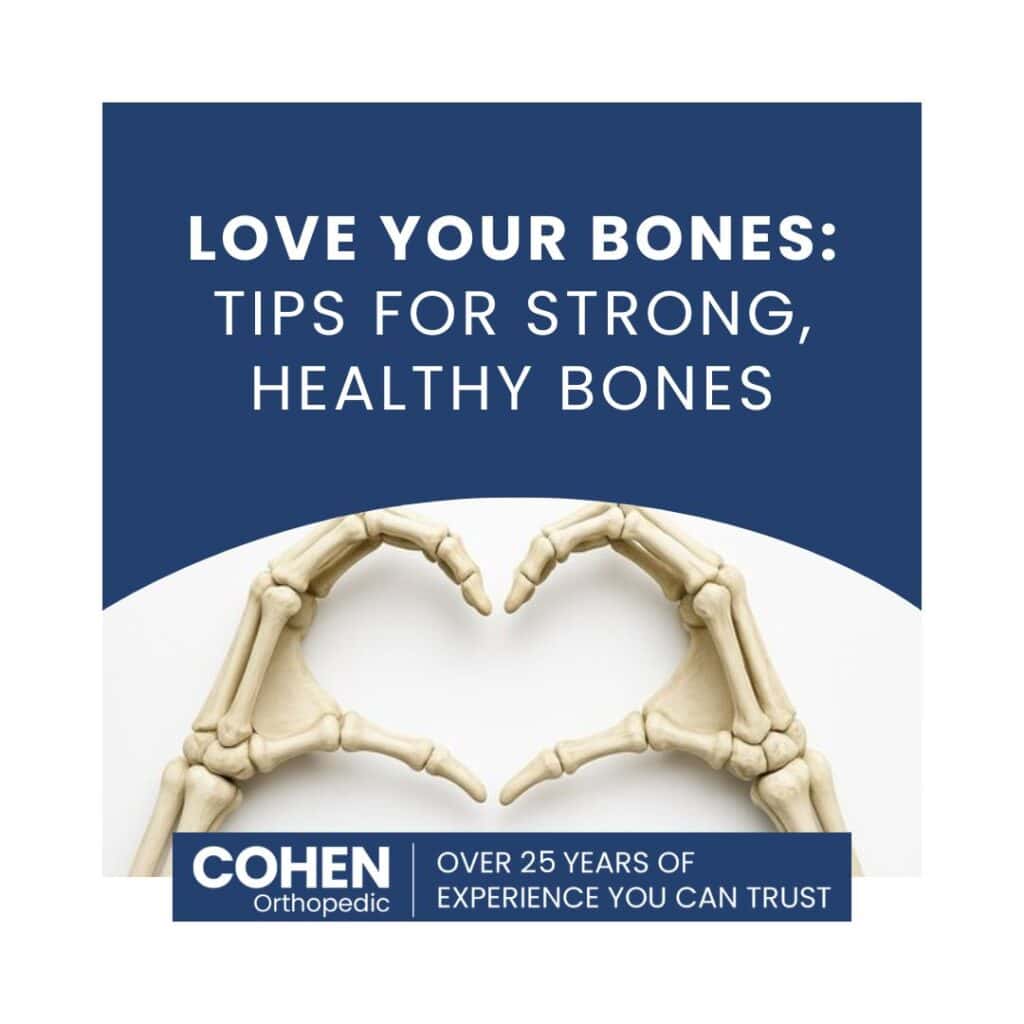
Love Your Bones: Tips for Strong, Healthy Bones
When we think about health, we often focus on the heart, skin, or weight. But there’s a quiet hero holding everything together, your bones.
Your bones support you, protect your organs, anchor your muscles, and allow you to move through life with strength and confidence. And just like the rest of your body, they need consistent care.
The good news? Building and maintaining strong bones isn’t complicated. It’s about small, steady habits that make a big difference over time.
Let’s walk through what really matters.
Why Bone Health Deserves Your Attention
Bone is living tissue. It constantly rebuilds and repairs itself. When we’re younger, we build bone faster than we lose it. As we age, that balance shifts.
For many adults, especially women after menopause, bone density naturally decreases. This can lead to osteopenia or osteoporosis, increasing the risk of fractures.
But here’s what we want you to know: bone loss isn’t inevitable. There is so much you can do to protect your strength.
1. Prioritize Calcium (But Do It Smartly)
Calcium is essential for bone structure. Adults typically need around 1,000-1,200 mg per day, depending on age and sex.
Great sources include:
- Dairy products like yogurt, milk, and cheese
- Leafy greens such as kale and collards
- Fortified foods like certain plant milks and cereals
- Almonds and canned salmon
If you’re not getting enough through food, supplements can help but they aren’t one-size-fits-all. We always recommend discussing supplementation with your provider to ensure the right dose for you.
2. Don’t Forget Vitamin D
Vitamin D helps your body absorb calcium effectively. Without it, you can eat all the calcium in the world and still fall short.
You can get Vitamin D from:
- Sun exposure (safely and in moderation)
- Fatty fish like salmon and tuna
- Fortified foods
- Supplements, when needed
Many adults are unknowingly deficient. A simple blood test can check your levels, and we’re happy to guide you through that conversation.
3. Strength Training Is Your Best Friend
If there’s one thing we encourage almost every patient to do for bone health, it’s this: lift something.
Weight-bearing and resistance exercises stimulate bone growth. Think:
- Walking or hiking
- Strength training
- Pilates
- Bodyweight exercises
You don’t need to become a bodybuilder. Even light weights done consistently can improve bone density and muscle support, which also helps prevent falls.
If you’re recovering from an injury or surgery, we can help tailor a safe plan for you.
4. Balance and Stability Matter
Strong bones are important. So is preventing falls.
Improving balance through yoga, tai chi, or simple stability exercises can significantly reduce your fracture risk. It’s not just about bone strength, it’s about staying steady.
5. Avoid Bone-Draining Habits
Some lifestyle factors quietly weaken bones over time:
- Smoking
- Excessive alcohol intake
- Sedentary lifestyle
- Very low-calorie diets
You don’t need perfection. But small adjustments can protect your long-term strength in meaningful ways.
6. Know Your Risk Factors
Certain factors increase the risk of bone loss:
- Family history of osteoporosis
- Early menopause
- Long-term steroid use
- Thyroid disorders
- Previous fractures
If any of these apply to you, it may be time to discuss a bone density scan (DEXA). It’s quick, painless, and gives us valuable information about your bone health.
Early detection allows for early intervention and that changes outcomes.
When to Seek Guidance
If you’ve experienced:
- A fracture from a minor fall
- Height loss over time
- Persistent back pain
- Concerns about family history
Let’s talk. Bone health isn’t something to guess about.
Our role isn’t just to treat fractures, it’s to help you prevent them. Whether that means evaluating bone density, guiding supplementation, recommending therapy, or discussing treatment options, we’re here to provide answers you can trust.
Strong Bones, Stronger Future
Caring for your bones is an investment in your independence. It’s about staying active, confident, and capable for decades to come.
You deserve to move without fear.
You deserve clear information.
You deserve care that puts you first.
If you have questions about your bone health, we’re here, ready to listen, explain, and guide you every step of the way.
Because loving your bones today means protecting your tomorrow.