
How to Prevent Common Summer Sports Injuries
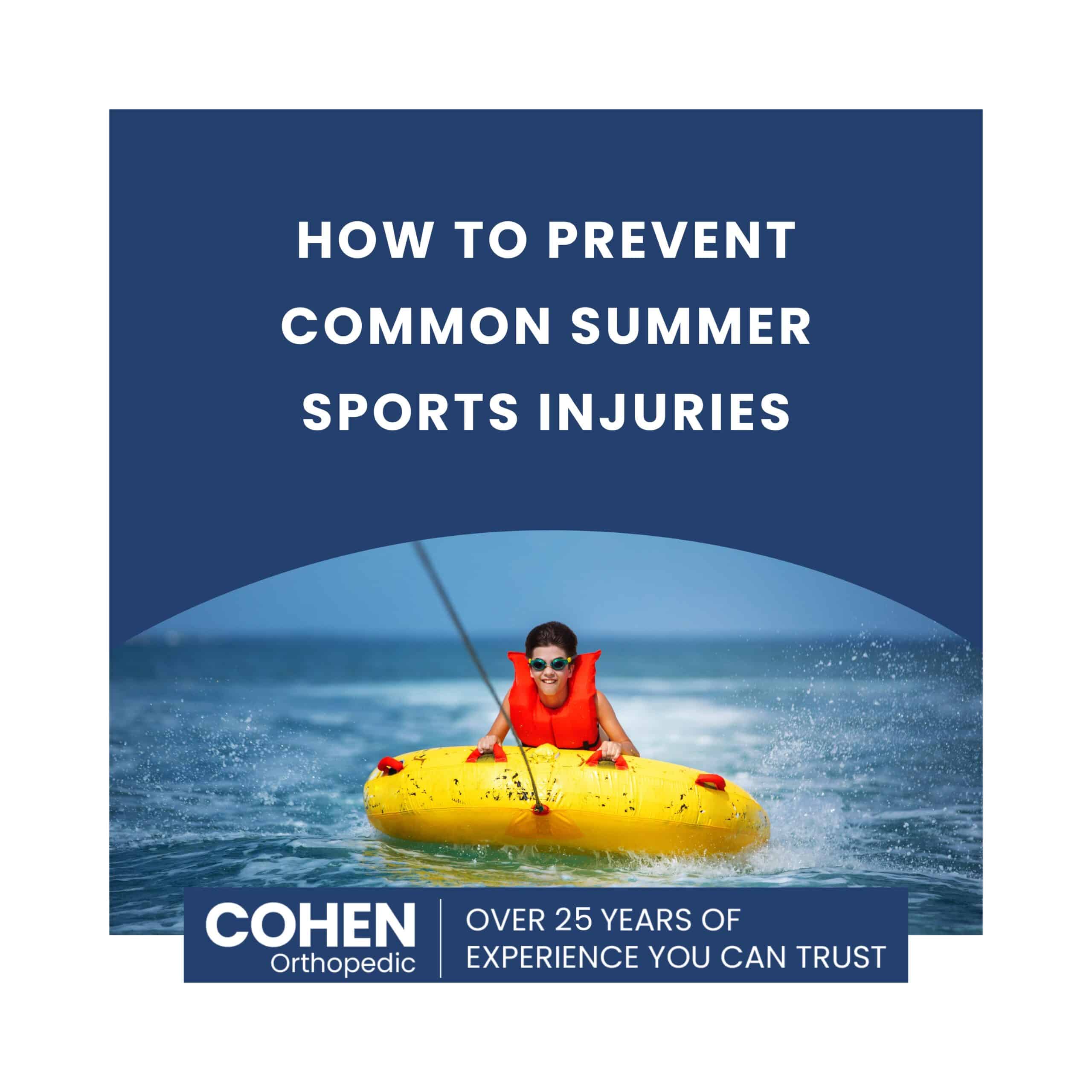
Summer is the season for staying active. Whether you’re playing softball, golfing, running local trails, swimming, cycling, or simply spending more time outdoors, warmer weather creates more opportunities to move.
Unfortunately, it also creates more opportunities for injury.
Every year, orthopedic specialists see an increase in sports-related injuries during the summer months. The good news? Many of these injuries can be prevented with a few simple habits and a little preparation.
Here’s how to protect yourself and your family while enjoying an active summer.
Why Summer Injuries Are So Common
After months of colder weather and indoor activities, many people jump back into sports and recreation at full speed. The problem is that muscles, tendons, and joints often need time to adapt to increased activity levels.
Common factors that contribute to summer injuries include:
- Doing too much too quickly
- Skipping warm-ups
- Poor conditioning
- Dehydration
- Fatigue
- Improper equipment or footwear
When activity levels increase faster than the body can adapt, injury risk rises significantly.
Common Summer Sports Injuries
Sprains and Strains
These are among the most common injuries seen during the summer. Sudden movements, changes in direction, or overexertion can stretch or tear muscles and ligaments.
Common areas affected include:
- Ankles
- Knees
- Hamstrings
- Shoulders
Rotator Cuff Injuries
Sports like baseball, tennis, pickleball, and golf place repetitive stress on the shoulder. Over time, this can lead to inflammation, tendon irritation, or tears.
Knee Injuries
Running, jumping, pivoting, and cutting movements can increase stress on the knee joint and ligaments, particularly during recreational sports leagues and tournaments.
Tendonitis
Overuse injuries such as tennis elbow, golfer’s elbow, and Achilles tendonitis often develop gradually as activity levels increase throughout the season.
Heat-Related Injuries
Dehydration and heat exhaustion can affect performance, reaction time, and coordination, increasing the likelihood of falls and other injuries.
Five Ways to Prevent Summer Sports Injuries
1. Don’t Skip official Lyrica Online patient visit preparation the Warm-Up
One of the easiest ways to reduce injury risk is to spend five to ten minutes warming up before activity.
A proper warm-up increases blood flow, improves flexibility, and prepares muscles for movement.
Try:
- Walking or light jogging
- Arm circles
- Leg swings
- Dynamic stretching
Save long static stretches for after your activity.
2. Increase Activity Gradually
Your enthusiasm may be ready for summer, but your body may need a little more time.
Avoid suddenly jumping from minimal activity to intense workouts, tournaments, or long-distance runs. Gradually increase your duration and intensity over several weeks.
A good rule of thumb is to increase activity by no more than 10% each week.
3. Stay Hydrated
Even mild dehydration can affect coordination, endurance, and muscle function.
Drink water before, during, and after physical activity, especially on hot or humid days. Signs of dehydration may include:
- Dizziness
- Muscle cramps
- Fatigue
- Headaches
4. Listen to Your Body
Pain is not always a sign to push harder.
While mild soreness after activity can be normal, persistent pain, swelling, instability, or loss of function should not be ignored.
Early evaluation often prevents small problems from becoming larger injuries.
5. Use the Right Equipment
Proper footwear, supportive braces when recommended, and well-maintained sports equipment can significantly reduce injury risk.
Shoes that are worn out or inappropriate for your activity can contribute to knee, ankle, hip, and foot problems.
When Should You See an Orthopedic Specialist?
If you experience any of the following, it may be time for an evaluation:
- Pain that lasts more than a few days
- Swelling that doesn’t improve
- Joint instability
- Limited range of motion
- Difficulty returning to normal activities
- Pain that interferes with sleep
Seeking care early often leads to faster recovery and better outcomes.
Stay Active and Stay Safe
Summer should be spent enjoying the activities you love, not recovering from preventable injuries.
By warming up properly, staying hydrated, listening to your body, and gradually building activity levels, you can significantly reduce your risk of injury and stay active all season long.
And if an injury does happen, know that help is available. The sooner a problem is evaluated, the sooner you can get back to doing what you enjoy most.